What is waffle stitch in crochet?
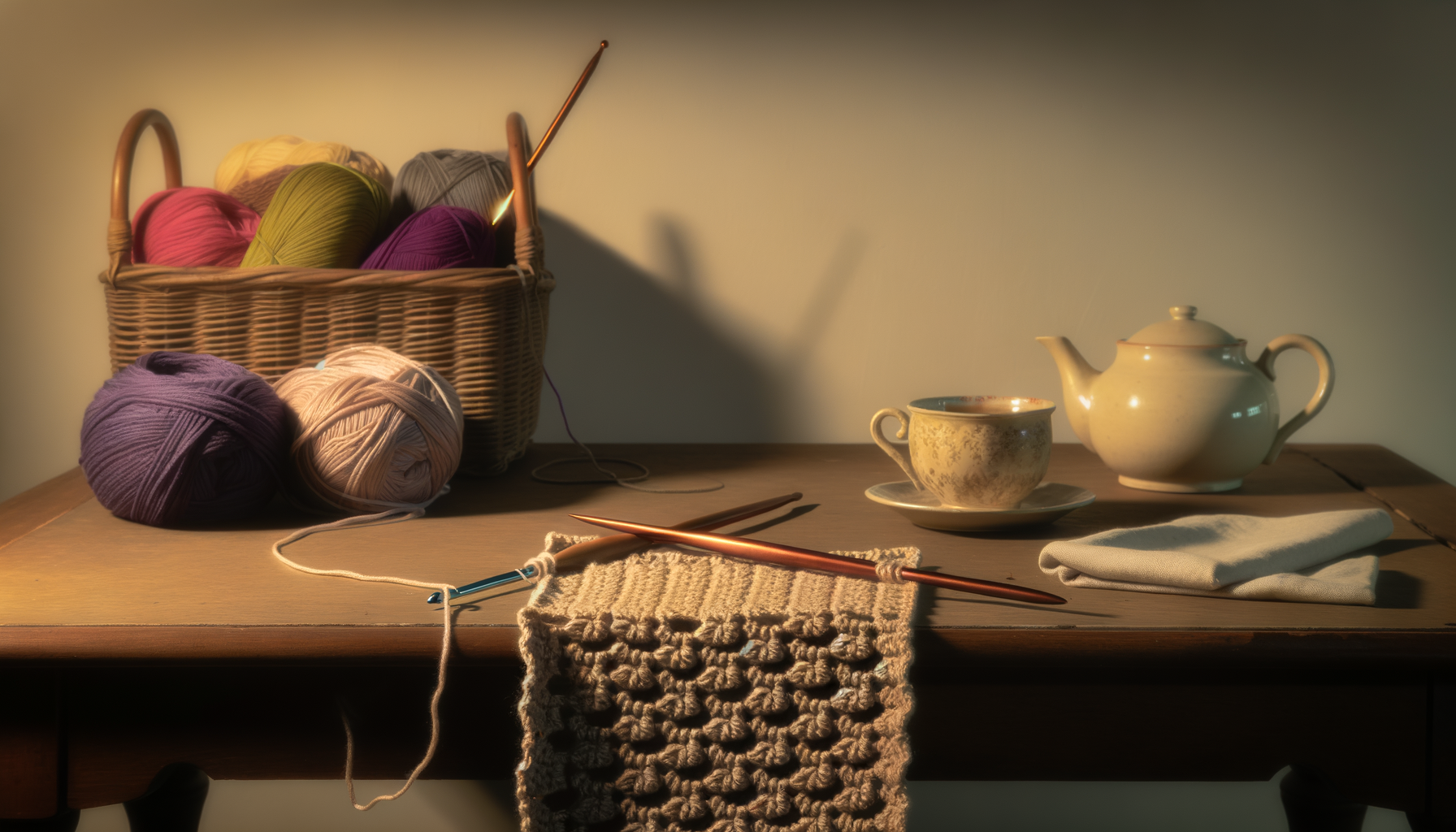
Waffle stitch is a textured pattern that combines three stitches — regular double crochet (dc), front-post double crochet (fpdc) and back-post double crochet (bpdc) — in a repeating grid. The fp and bp stitches 'push' stitches towards the front or back of the fabric, creating raised ridges that cross at right angles. The result genuinely looks like a waffle.
Unlike bobble or puff stitch (which produce individual raised dots), waffle stitch creates a continuous 3D grid. It's one of the most visually impressive crochet stitches for the effort required.
The technique that makes waffle stitch possible — working around the 'post' of a stitch rather than into the top — opens up a whole category of textured crochet. Once you've learned it, you'll see it in cables, ribbing and basket-weave patterns across hundreds of designs.
What waffle stitch looks and feels like
Visually, waffle stitch produces clear, distinct squares in a grid pattern — exactly like a fresh waffle. It looks 'expensive' and hand-crafted in a way few other beginner-accessible stitches can match.
As fabric, waffle stitch is thick, warm and squishy. It traps lots of air between the raised squares, making it outstandingly warm for its weight. No drape — this is structured fabric for blankets, cushion covers, dishcloths and kitchen towels. Don't use for scarves that need to flow.
Waffle stitch uses about 30–40% more yarn than plain double crochet. The ridges eat yarn quickly. Budget generously for blankets.
Understanding front-post and back-post double crochet
Before we get to waffle stitch proper, a quick detour on the technique. In normal double crochet, you insert your hook under the top two loops of a stitch. In front-post double crochet (fpdc), you insert your hook around the 'post' of the stitch from the previous row — going in from front, across behind the post, and back out to the front. The stitch sits in front of the fabric.
Back-post double crochet (bpdc) is the mirror: go in from the back, across in front of the post, and back out to the back. The stitch sits behind the fabric.
FP and BP stitches are worked over the post of the stitch below — not into its top. This is the one 'new' skill in waffle stitch; everything else uses double crochet you already know.
If this is your first FP/BP attempt, practise 5–10 on a swatch of plain double crochet rows before tackling waffle stitch. Five minutes of FP/BP practice saves hours of confusion in the main pattern.
How to crochet waffle stitch — step by step
What you'll need: a 5mm or 6mm crochet hook (we use the Clover Amour for ergonomic comfort; full kit breakdown on our crochet starter kit page), aran or chunky yarn in a solid mid-tone, and scissors. Avoid thin yarn — waffle stitch depends on depth, and thin yarn flattens the 3D effect.
Prerequisite: comfort with double crochet, and at least a few minutes of practice on front-post/back-post double crochet. Our basic crochet stitches for beginners covers the basics.
Step 1. Make a foundation chain in a multiple of 3, plus 2 extra. For a small swatch, chain 20.
Step 2. Row 1 (setup): work 1 double crochet in the 3rd chain from hook and each chain across. Chain 3 to turn. This is a standard double crochet row and forms the base for the waffle pattern.
Step 3. Row 2 (the waffle pattern begins): skip the first stitch (the chain-3 counts as your first dc). Work 1 FPDC around the post of the next dc. Then work 1 regular DC into the next stitch. That's one 'waffle repeat': FPDC + DC.
Step 4. Continue the pattern: FPDC, DC, FPDC, DC across the row. End with a DC in the last stitch.
Step 5. Chain 3, turn. Row 3: skip the first stitch. Now work BPDC around the post of the previous row's FPDC. Work DC into the next stitch. BPDC around the next FPDC. DC into the next stitch. The key: FPDCs on one side 'line up' with BPDCs on the other side, creating a column of raised stitches.
Step 6. Row 4: back to FPDC + DC pattern, but this time FPDC goes around the post of the previous row's BPDC. So: FPDC around BPDC, DC into DC, FPDC around BPDC, DC into DC across.
Step 7. Row 5: repeat row 3's BPDC + DC pattern. And so on — alternating FPDC rows with BPDC rows, always working over the previous row's posts.
After 3–4 rows, the waffle texture becomes clearly visible. By row 6, the pattern is unmistakable.
Common waffle stitch mistakes (and quick fixes)
Working FPDC and BPDC into the wrong stitches. The fundamental rule: FPDC and BPDC go AROUND the POST of the stitch in the previous row; plain DC goes INTO the TOP of the stitch. Mix these up and the pattern goes wrong within two rows.
Starting the row in the wrong place. The chain-3 at the start of each row 'counts' as your first double crochet. That means you skip the first stitch. Beginners often double-count and get an extra stitch every row.
FPDC stitches not popping forward. If your waffle ridges are flat, you're probably not pulling the hook all the way around the post. FPDC should physically drag the stitch forward — the resulting stitch sits in front of the row below.
Thin yarn or a large hook. Waffle stitch depends on FPDC stitches having enough body to create 3D ridges. Aran yarn on a 5–6mm hook is the sweet spot. DK yarn on a 4mm hook works but produces a subtler texture.
Three projects that shine in waffle stitch
A waffle-stitch kitchen dishcloth or hand towel. Fastest first project. Use 100% cotton DK or aran yarn (Paintbox Simply Cotton DK at around £2.50 per ball) on a 5mm hook. The textured surface is genuinely better at scrubbing than flat crochet. 3–4 hours of work.
A waffle-stitch baby blanket. The textured pattern gives a blanket serious visual interest without requiring intarsia or colourwork. Use washable aran yarn. 20–30 hours over several weeks.
A waffle-stitch cushion cover. The structured fabric holds its shape perfectly for a cushion. Pair with a plain stockinette back for contrast. A 40 cm cushion cover takes 12–16 hours.
What to try after waffle stitch
Waffle stitch opens up the whole family of 'textured post stitches'. Three natural next steps: basket weave stitch (uses FP and BP double crochet in wider columns for a woven look), cable crochet stitches (uses post stitches crossed over each other to mimic knitted cables), and ribbing (alternating FPDC and BPDC in columns for stretchy-looking trim).
If you want to stay with bold 3D texture, the bobble stitch and puff stitch are natural companions — waffle gives you grid texture; bobbles and puffs give you spot texture.